
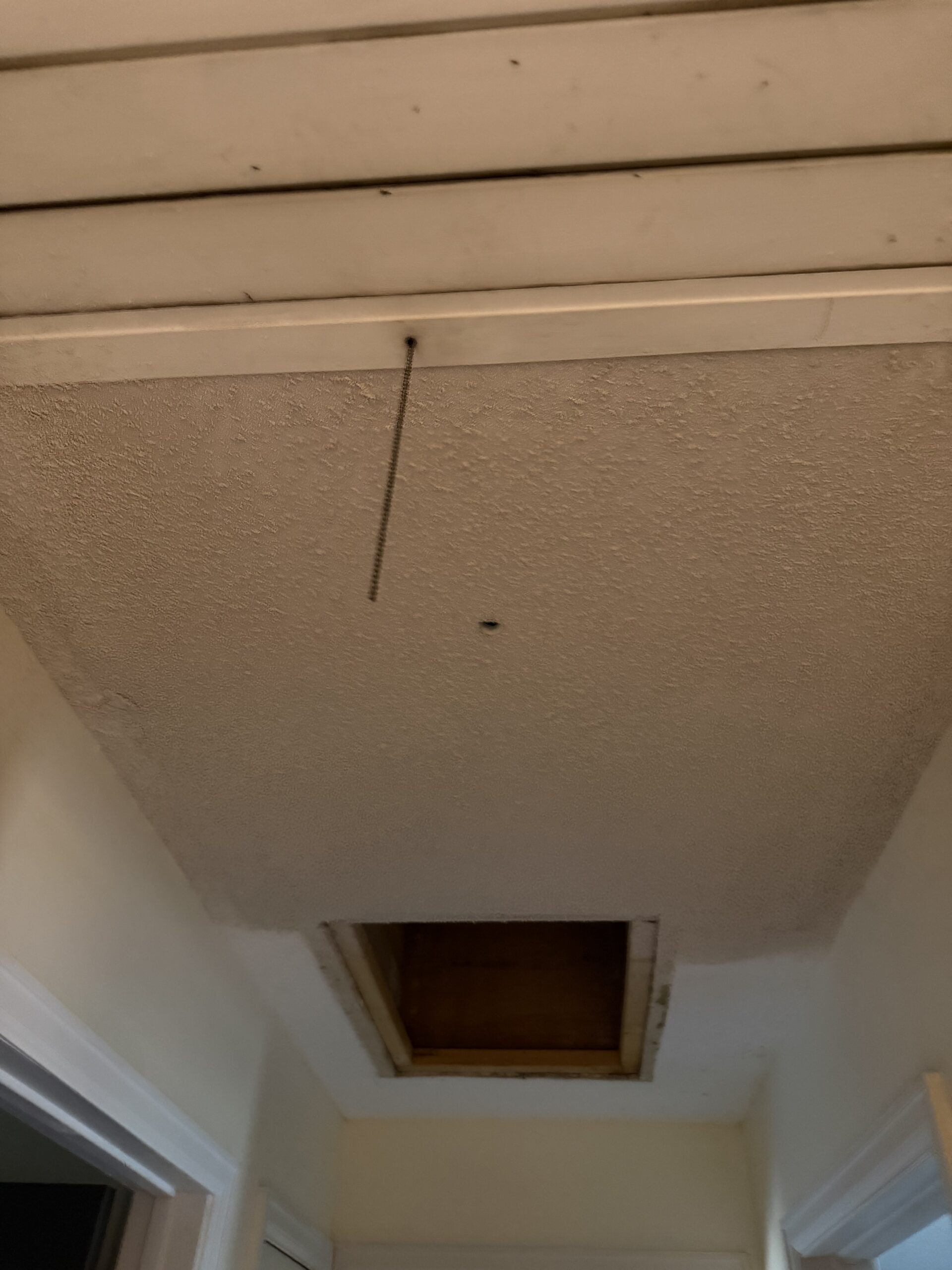
When the furnace starts running regularly, a familiar ceiling line may become noticeable again. A small gap near trim may open, or a repaired seam may show through the paint. Colorado homeowners often associate these changes with winter, but the season alone does not explain every crack.
The practical goal is to reduce avoidable swings in indoor conditions, catch moisture problems early, and repair failed joints appropriately. You cannot guarantee a crack-free home with a humidifier or a fresh coat of paint. You can build a better record of what changes and make more informed repair decisions.
Understand movement without assuming the cause
Temperature and moisture changes can affect building materials differently. Framing, drywall, joints, and finishes form one assembly, and movement can become visible at a weak or stressed transition. USG’s guidance on environmental conditions distinguishes temperature-related, moisture-related, and structural movement.
That distinction matters. A recurring line may involve a failed taped joint, panel movement, moisture, or another building issue. Calling every crack “normal settling” can overlook the reason a repair failed. Our guide to drywall cracks that keep coming back covers those repair causes in more detail.
Make a simple fall inspection record
Before patching anything, photograph the areas you already watch: wall-to-ceiling joints, openings around doors and windows, older repairs, and ceiling seams. Use the same angle and lighting when you check them again. Place a ruler nearby without pressing on damaged material.
Note the date, approximate crack length, room location, and whether a door or window behaves differently. Include any staining, peeling paint, or recent leak. A dated record helps separate a stable cosmetic line from a problem that is changing.
Do not rely on crack width alone to diagnose the house. Rapid changes, displacement, significant sagging, or cracks appearing alongside sticking doors and other movement deserve an appropriate building evaluation before cosmetic work.
Keep indoor conditions reasonably consistent
Use measurements instead of guessing
A basic indoor humidity gauge can help you compare rooms and notice changes when the heating system is running. Record the temperature and humidity near the affected area over several days. Avoid placing the gauge directly beside a supply vent, humidifier, or open window, where it may not represent the room.
Avoid abrupt adjustments
Ask your HVAC professional about suitable winter settings for your home, windows, and equipment. Do not chase a universal humidity number by continually increasing a humidifier. Window condensation, damp trim, or wet surfaces mean the moisture balance needs attention. A dry-feeling room and a damp window can exist in the same house.
Maintain equipment and ventilation
Keep humidifiers clean and maintained according to their instructions, and report leaks around the equipment. Use ventilation as intended. The objective is a controlled indoor environment, not sealing every opening or adding moisture without understanding where it goes.
Address drafts and leaks appropriately
Cold spots, persistent drafts, or repeated condensation are useful observations to share with an HVAC or home-performance professional. Colorado State University Extension’s air-sealing guidance explains why air leakage and ventilation need to be considered together. A house is more complicated than one visible gap.
Do not block combustion-air openings or alter venting to make a room feel warmer. Keep building-system work with the appropriate qualified professional. Drywall patching restores a finish; it does not correct every insulation, ventilation, roofing, or plumbing problem behind it.
If a crack is accompanied by a water stain or a soft, distorted ceiling, investigate moisture rather than treating it as a seasonal touch-up. See our ceiling repair service for the restoration work that may follow once the source is addressed.
Repair the joint rather than repeatedly hiding it
Check what the previous repair included
Ask whether earlier work reinforced the joint, addressed loose material, and blended the finish, or simply covered the line. A cosmetic filler can conceal a crack briefly without correcting a failed seam. Keep photos or invoices from previous work if you have them.
Plan a stable finishing environment
Let the contractor know if the room is normally unheated, vacant, or subject to large temperature changes. Drying and finish performance depend on conditions during and after the work. Discuss when normal heating will be available and how the room will be used while materials dry.
Include texture and painting in the scope
Reinforcing a seam is only part of making a repair look consistent. Texture matching and paint affect the visible transition. Confirm whether the quote includes primer, spot painting, or a full wall or ceiling repaint. An aged finish may require a wider treatment than the crack itself.
Follow a short winter monitoring routine
- Check known cracks after sustained cold weather, using the same photo angle.
- Note humidity readings and any changes to heating or humidifier settings.
- Look for condensation or new staining near the affected area.
- Record changes in doors, windows, trim, or the shape of the surface.
- Contact the appropriate professional promptly when damage is progressing.
This routine is more useful than patching the same spot every few weeks without documenting what changed. If a repair is appropriate, it gives the contractor a clearer starting point and helps set realistic expectations about the finish.
Compare affected rooms with an unaffected room as well. If one bedroom is kept much cooler, a supply register is blocked, or a window regularly collects moisture, include those details in your notes. They do not diagnose the crack, but they help the relevant professional understand the conditions around it before recommending repair or building-system work.
Request a Denver drywall crack repair estimate
Patch Pros reviews wall and ceiling cracks, failed tape, visible patch edges, and related drywall repair needs throughout the Denver metro area. Send a close-up, a room-wide photo, the approximate length, and any history of previous repairs or moisture.
Request a free estimate or call or text photos to 720-980-8998. Tell us your city and whether you want painting included so we can discuss the right scope for your home.