
Author: Ryan Lucero

  • What to Expect During a Ceiling Drywall Repair

    What to Expect During a Ceiling Drywall Repair

    A damaged ceiling can make an otherwise well-kept room feel unfinished. Whether the issue is an opening, a crack, a stained area after a leak, or a section that needs to be replaced, ceiling drywall repair is a sequence of careful steps rather than a single patch. For Denver-area homeowners, understanding that sequence can make it easier to plan for access, drying, texture work, and painting.

    Start with the cause

    Before repair work begins, the source of the damage should be addressed. For example, if moisture caused the problem, the leak or moisture source needs to be resolved and the affected area allowed to dry before it is closed up. Repairing drywall over an active issue can lead to more damage later. The condition of the surrounding ceiling also helps determine whether a small patch is appropriate or whether a larger area needs attention.

    Preparing the repair area

    Ceiling work typically begins with protecting the room below and creating safe access to the damaged area. Loose or compromised material may be removed so the repair can be built on a sound surface. The work area may need to extend beyond the most visible damage to create a stable, smooth transition into the existing ceiling.
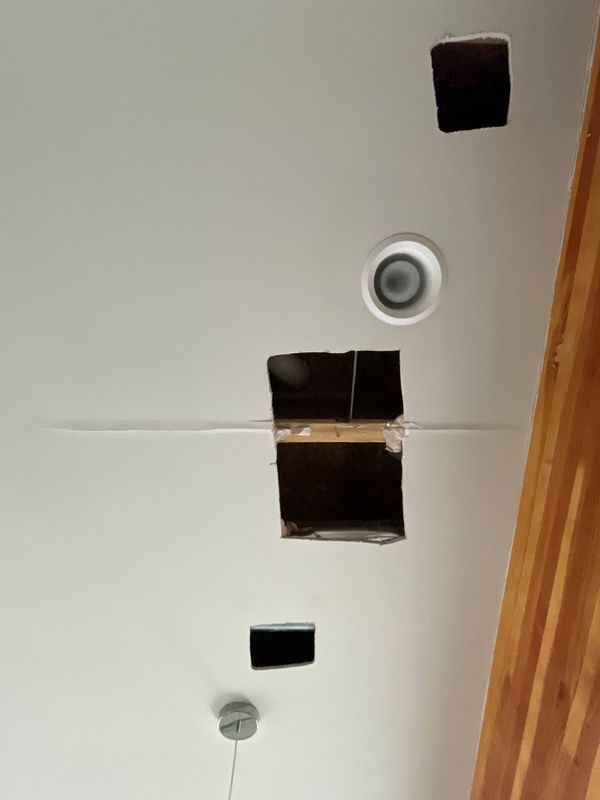
    Several ceiling openings before drywall patching
    Before: ceiling openings prepared for drywall patching.

    Patching and finishing

    For an opening or removed section, a new drywall patch is fitted and secured. Seams are then reinforced with tape and covered with joint compound. Multiple thin applications are commonly used to build a gradual transition from the patch to the surrounding ceiling. Between applications, the surface is allowed to dry and is sanded as needed before the next layer is applied.

    Drying time is an important part of the process. It can vary with the materials used, the size and depth of the repair, indoor conditions, and the number of finish coats needed. A repair should be dry and properly prepared before texture or paint is applied, so it is best to discuss the expected sequence for the specific area rather than rely on a fixed timeline.
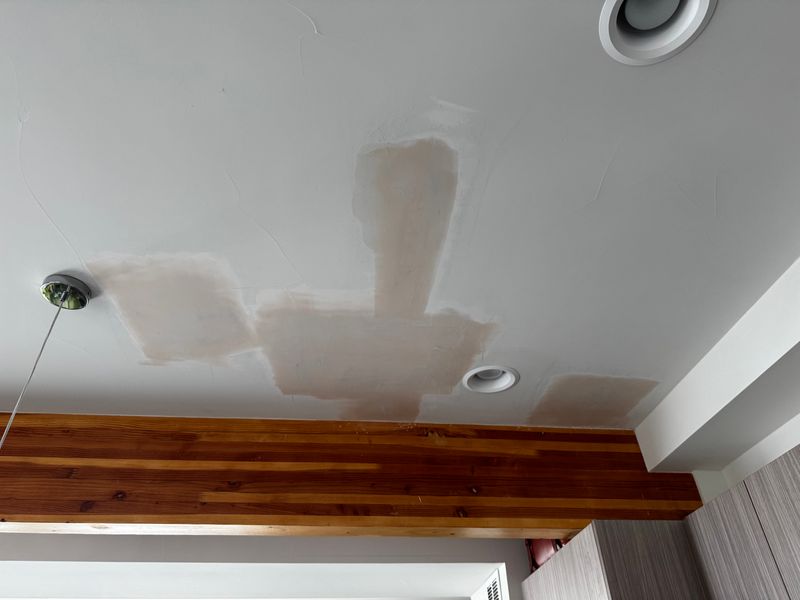
    Ceiling openings patched and finished smooth before painting
    After: the patched ceiling area finished smooth before painting.

    Matching the ceiling texture

    Texture matching is often one of the most visible parts of a ceiling repair. Smooth ceilings, orange peel, knockdown, stomp, splatter, and popcorn textures each require a different approach. The goal is to blend the repaired area into the existing ceiling as closely as the material and surrounding conditions allow. Lighting, age, previous paint, and the size of the repair can all affect how a transition reads once the room is back in use.

    Learn more about the service on our Ceiling Repair page, including the types of ceiling drywall issues that may need professional attention.

    How painting affects scope

    Drywall repair and painting are related, but they are not always the same scope of work. A repair may be finished and ready for paint, while painting is handled separately. If painting is included, the scope can range from coating the repaired area to painting a larger portion of the ceiling so the finish is more consistent. Existing paint color, sheen, age, and touch-up history can influence whether a small painted area blends in or whether a broader repaint is worth considering.

    Planning your repair

    When requesting an estimate, share what you know about the damage, whether there has been water exposure, the ceiling texture, and whether you want painting considered as part of the project. Send a close-up photo, a wider photo showing the ceiling, approximate dimensions, and your city or ZIP code. Ask how many visits are expected and whether protection, cleanup, texture, primer, and painting are included in the quoted scope. For help with a ceiling drywall repair in Denver or nearby communities, contact Patch Pro’s LLC to request an estimate.

  • The Ultimate Guide to Stopping Drywall Cracks That Keep Coming Back

    The Ultimate Guide to Stopping Drywall Cracks That Keep Coming Back

    If drywall cracks keep coming back in your Colorado home, you’re not alone. Many Denver-area homeowners deal with recurring wall and ceiling cracks, even after previous repairs.

    At Patch Pro’s LLC, we understand how frustrating these problems can be. The key to a lasting drywall repair is understanding what’s causing the damage instead of simply covering it up with joint compound or spackle.

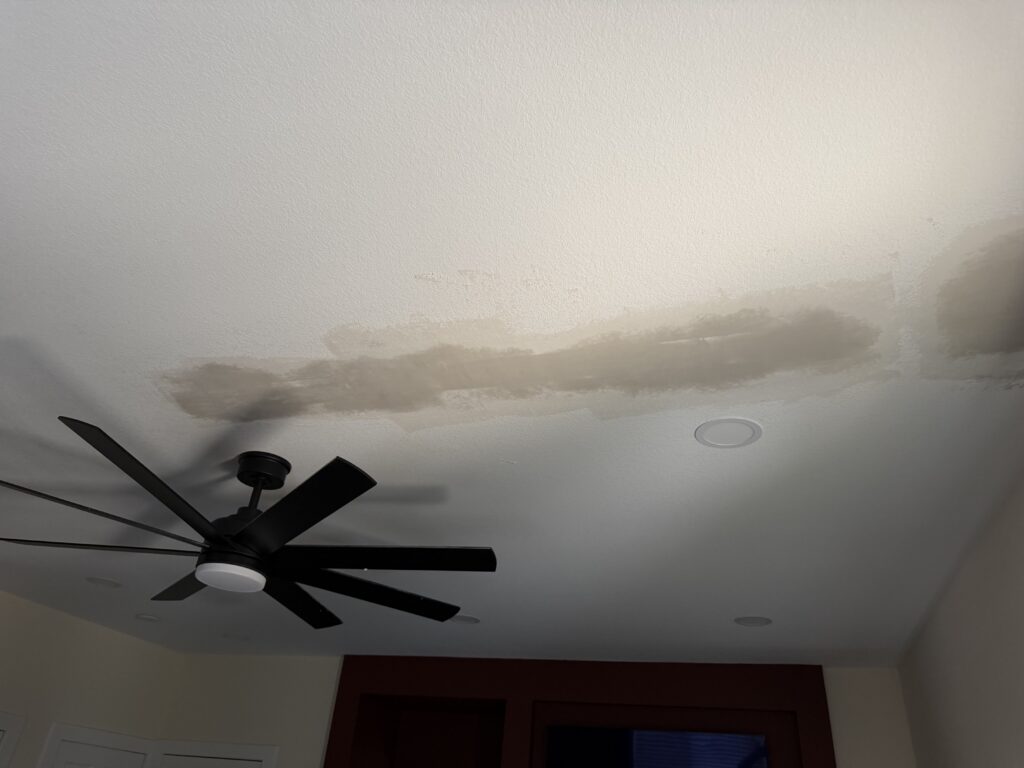
    Ceiling drywall repair with joint compound before painting

    Why Do Drywall Cracks Keep Coming Back?

    Colorado’s climate can contribute to drywall cracking. Between dry winters, temperature changes, seasonal humidity fluctuations, and normal structural movement, homes throughout the Denver metro area experience conditions that can put stress on drywall joints and seams.

    Some of the most common causes of recurring drywall cracks include:

    • Natural settling and movement of a home
    • Poorly installed or improperly finished drywall tape
    • Seasonal expansion and contraction of building materials
    • Loose drywall panels or inadequate fastening
    • Water damage from plumbing or roof leaks
    • Previous repairs that weren’t properly reinforced

    While some drywall cracks are cosmetic, cracks that continue to widen or appear alongside sticking doors, uneven floors, or other signs of movement may require further structural evaluation.

    Why Spackle Alone Usually Doesn’t Fix Recurring Cracks

    One of the biggest mistakes homeowners make is filling a recurring drywall crack without addressing the damaged seam underneath.

    Although spackle may temporarily hide the crack, it doesn’t necessarily repair loose drywall tape, movement between panels, or other underlying problems.

    Depending on the damage, a professional drywall crack repair may involve removing loose material, securing drywall, applying new joint tape, building up multiple coats of joint compound, sanding, and matching the surrounding texture.

    Proper preparation and reinforcement can significantly improve the durability and appearance of the finished repair.

    Ceiling Cracks and Water-Damaged Drywall

    Ceiling cracks are another common issue in Denver-area homes. These can develop along drywall seams, around ceiling transitions, or where walls meet ceilings.

    Water damage can also cause drywall tape to separate, paint to bubble, and ceiling textures to peel or sag.

    Before repairing water-damaged drywall, it’s important to identify and correct the source of moisture. Simply covering a water stain or damaged area without addressing the leak can allow the problem to return.

    Patch Pros provides ceiling drywall repair, damaged drywall replacement, joint repair, and texture matching to help restore damaged walls and ceilings.

    Professional Drywall Texture Matching Makes a Difference

    Repairing a drywall crack is only part of the job. Making the repaired area blend into the surrounding wall or ceiling is just as important.

    Many homes throughout Denver feature textured walls and ceilings. A poorly matched texture can leave a visible patch even when the underlying drywall repair is completed correctly.

    At Patch Pro’s LLC, we work with a variety of drywall finishes, including:

    • Orange peel texture
    • Knockdown texture
    • Smooth wall finishes
    • Skip trowel texture
    • Stomp texture
    • Splatter texture
    • Popcorn ceiling texture

    Our goal is to make repaired areas blend as naturally as possible with the existing surface.

    When Should You Call a Drywall Repair Professional?

    If the same crack keeps coming back, the drywall tape is separating, or you’re noticing additional damage around the repair, it may be time to have the area evaluated.

    A professional can help determine whether the problem is related to drywall installation, finishing, moisture, or movement that needs further investigation.

    Addressing the cause of the damage is an important step toward preventing repeated repairs.

    Drywall Crack Repair in Denver, Colorado

    Patch Pro’s LLC provides professional drywall patching, ceiling repair, crack repair, and texture matching throughout Denver and surrounding communities, including Arvada, Westminster, Lakewood, Littleton, Centennial, Highlands Ranch, Castle Rock, and Broomfield.

    Whether you’re dealing with a small wall crack, damaged ceiling seam, or drywall repairs following plumbing work, we can help restore your walls and ceilings.

    Need professional drywall repair in Denver? Contact Patch Pro’s LLC today to request a free estimate. You can also send us photos of the damaged area to help us evaluate your project.