
A door handle punches a hole through a wall. A plumbing repair leaves an opening behind. A crack starts spreading along a drywall seam. These are common problems in Denver-area homes, but the right fix depends on more than the size of the damage. The surrounding drywall, any underlying movement or moisture, and the existing wall texture all matter.
At Patch Pros, we provide professional drywall repair and wall repair services throughout the Denver metro area, restoring damaged walls and ceilings with careful patching, finishing, and texture matching. If you already know you need help, see our professional drywall repair services in Denver or request an estimate.
Common Drywall Problems and Wall Repair Solutions
Holes, dents, and everyday wall damage
Door handles, furniture, TV mounts, wall anchors, and moving accidents can leave anything from small dents to openings that require new drywall. A small surface dent may only need limited preparation and compound. A larger opening usually needs a sound backing or framing connection, a fitted piece of drywall, tape, and multiple finishing coats.
Cracks and failing seams
Cracks near doors, ceilings, and wall joints may come from movement, a failed tape joint, or loose material. Simply covering a recurring crack with compound may hide it temporarily without fixing the cause. The area should be inspected before deciding whether to retape the seam, secure the drywall, or take a more extensive approach. For repeat problems, see our guide to drywall cracks that keep coming back.
Plumbing, electrical, and insulation openings
Plumbers, electricians, and insulation installers sometimes need to open finished walls. After their work is complete, the openings still need to be secured, taped, finished, and matched to the surrounding texture. If multiple holes were made, it often helps to review them together so the repair and painting scope is clear from the start.
Water-damaged drywall
Soft drywall, stains, bubbling paint, and sagging material can indicate moisture damage. The leak or moisture source must be corrected first. Drywall that is deteriorated or no longer sound may need to be removed and replaced rather than covered with new compound. If you suspect active water damage or mold, have the underlying moisture issue evaluated before cosmetic repairs begin.
What a Professional Drywall Repair Usually Involves
- Inspect the damage: Check the opening, surrounding surface, possible moisture, loose material, and existing texture.
- Protect the work area: Cover nearby floors and belongings as needed and prepare the damaged section.
- Install or secure drywall: Add backing where necessary and fit replacement drywall for a stable repair.
- Tape and apply finishing coats: Build up the surface in stages, allow proper drying, and sand or smooth the repair.
- Match the texture: Blend orange peel, knockdown, smooth finishes, or another existing texture as closely as the surface allows.
- Prime and paint if included: Finish the repaired area according to the agreed scope. Matching paint and lighting can affect how visible a repair remains.
Some repairs require more than one visit because coats need to dry and the finish needs to be checked before texture or paint.
Why Matching the Existing Wall Texture Matters
Putting drywall back in place is only part of the job. Even a correctly taped patch can stand out when the texture does not match the rest of the wall. Denver homes use many finishes, including orange peel, knockdown, and smooth walls. The patch size, age of the surrounding finish, lighting, and previous repairs all influence the final appearance.
Texture can often be blended very closely, but no responsible contractor should promise that every patch will be completely invisible in every light. On especially large or noticeable repairs, a wider skim coat or retexturing area may create a more consistent finish. Learn more about our texture matching services.
Before and After: Wall Repair in Centennial
This actual Patch Pros wall repair in Centennial, Colorado shows the damaged drywall before work and the finished patch afterward. It illustrates how proper preparation and careful finishing can restore the surface.
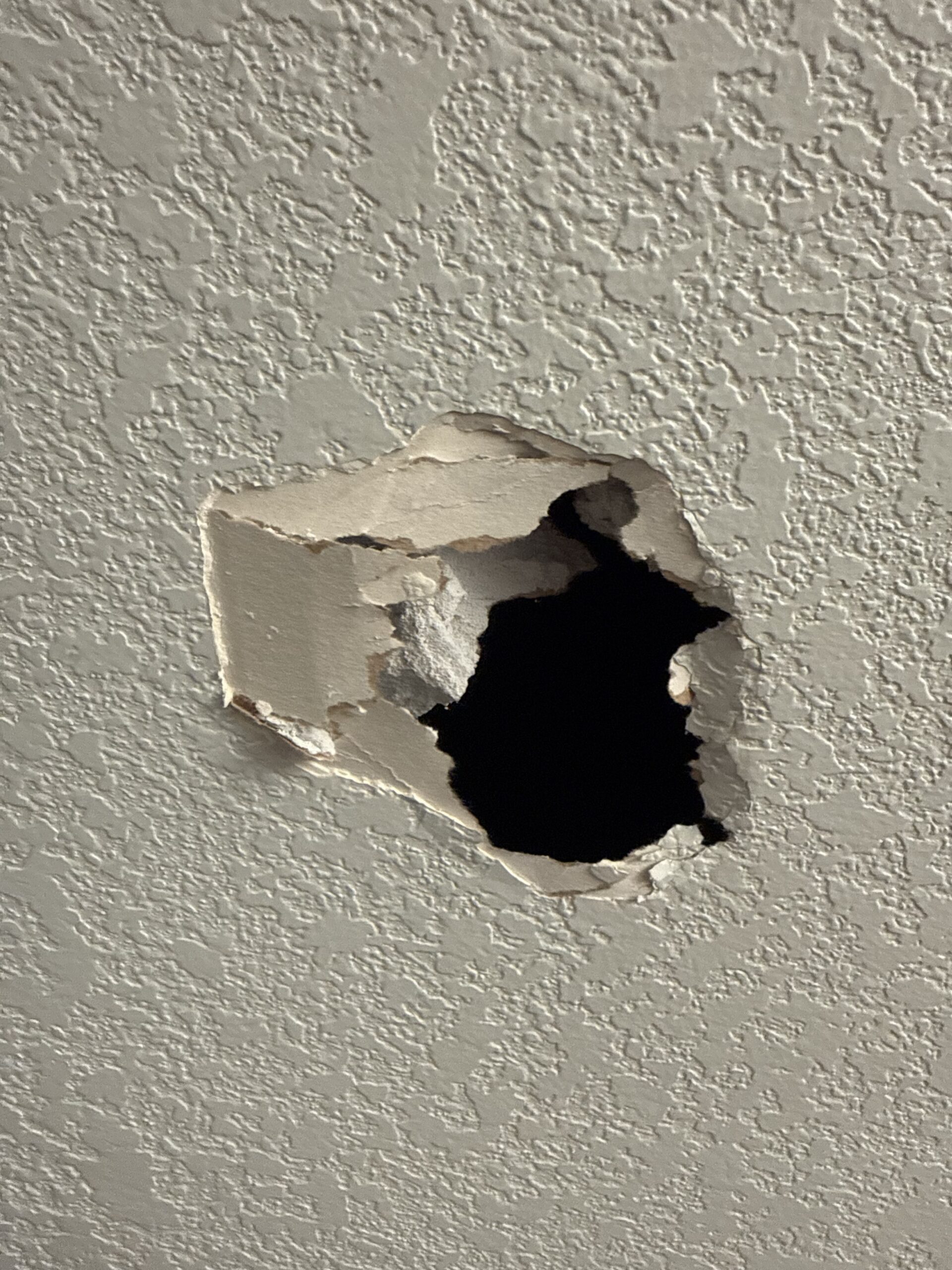
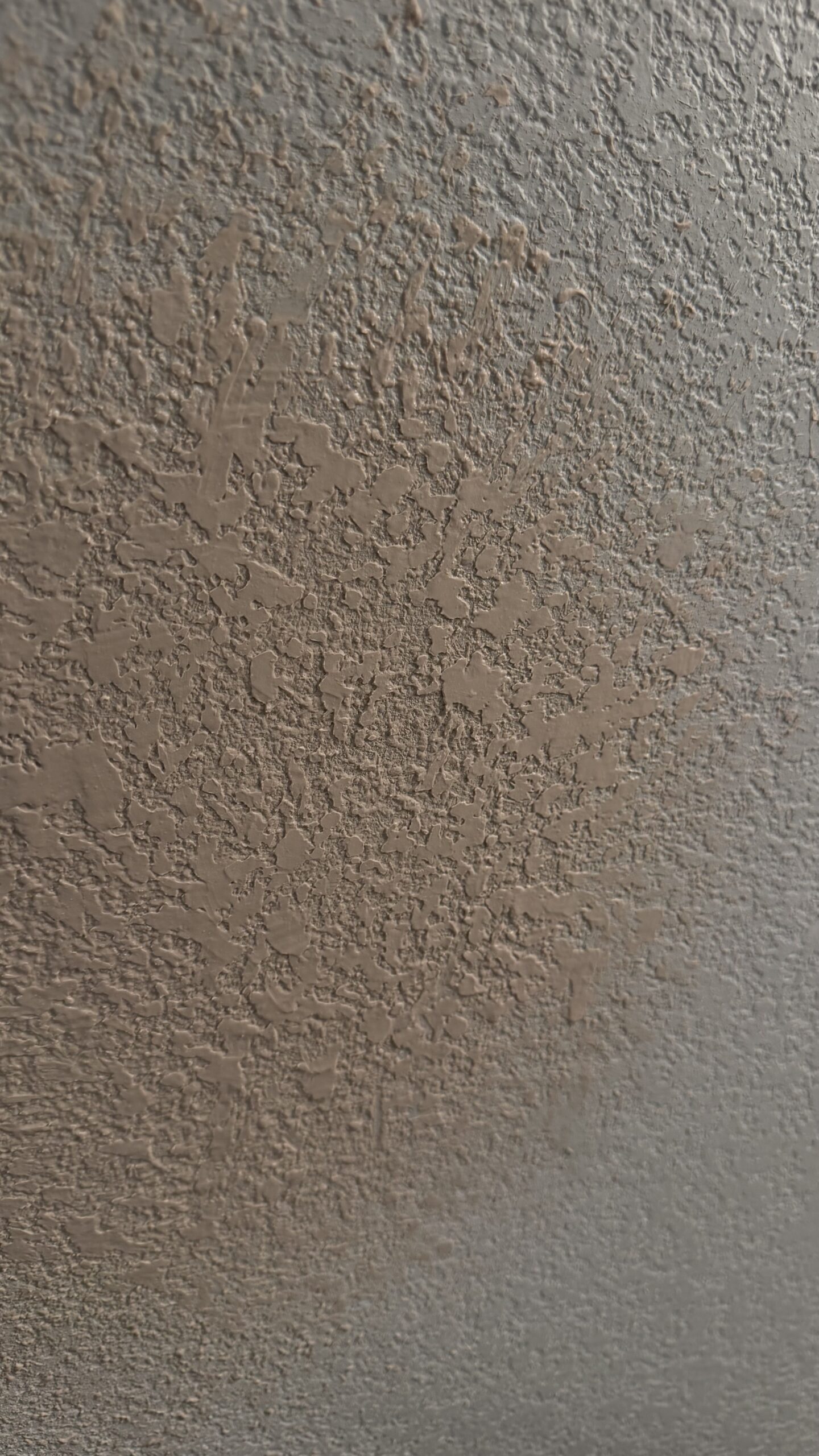
More examples are available in our drywall repair project gallery.
Can You Repair Drywall Yourself?
Small nail holes and minor cosmetic dents can be reasonable DIY projects. Larger holes, damaged corners, recurring cracks, ceiling repairs, and textured surfaces are harder to make look consistent. If the wall is loose, wet, or repeatedly cracking, it is especially important to understand the cause before applying another patch.
Sometimes repairing the existing drywall is enough; other times replacing the damaged section is the more reliable choice. Our repair-versus-replacement guide explains that decision in more detail.
What Affects the Cost of Drywall Repair?
The cost depends on the number and size of repairs, whether backing or replacement drywall is needed, wall versus ceiling access, how much finishing and texture blending is required, and whether priming or painting is included. Several small patches in one visit can be a different scope from one large ceiling repair that needs multiple trips.
For a useful estimate, send clear photos showing each damaged area and a wider view of the wall or ceiling, along with your city and whether you want painting included.
Drywall Repair Throughout the Denver Metro Area
Patch Pros serves homeowners in Denver and nearby communities including Arvada, Centennial, Parker, Highlands Ranch, Littleton, Lakewood, and Commerce City. We work on individual wall patches, multiple repair areas, and ceiling repairs, with an emphasis on careful finishing and realistic texture matching.
Frequently Asked Questions
Will the repaired area be visible after painting?
A well-prepared repair and close texture match can blend into the surrounding surface, but visibility depends on wall condition, lighting, paint sheen, and the size of the repair. Some situations benefit from painting a larger wall area.
How long does a drywall repair take?
It varies. Small repairs may be straightforward, while larger patches or texture work may need multiple coats and return visits for drying.
Do you repair drywall damage left by plumbers or electricians?
Yes. We repair openings left after plumbing, electrical, and other access work once the underlying work is complete and the area is ready to close.
Need Drywall Repair in Denver?
With over 20 years of drywall experience, Patch Pros focuses on wall and ceiling repairs that are properly secured, finished, and blended with the surrounding surface. Request a free estimate, or text project photos to 720-980-8998 and include your city and preferred timing.