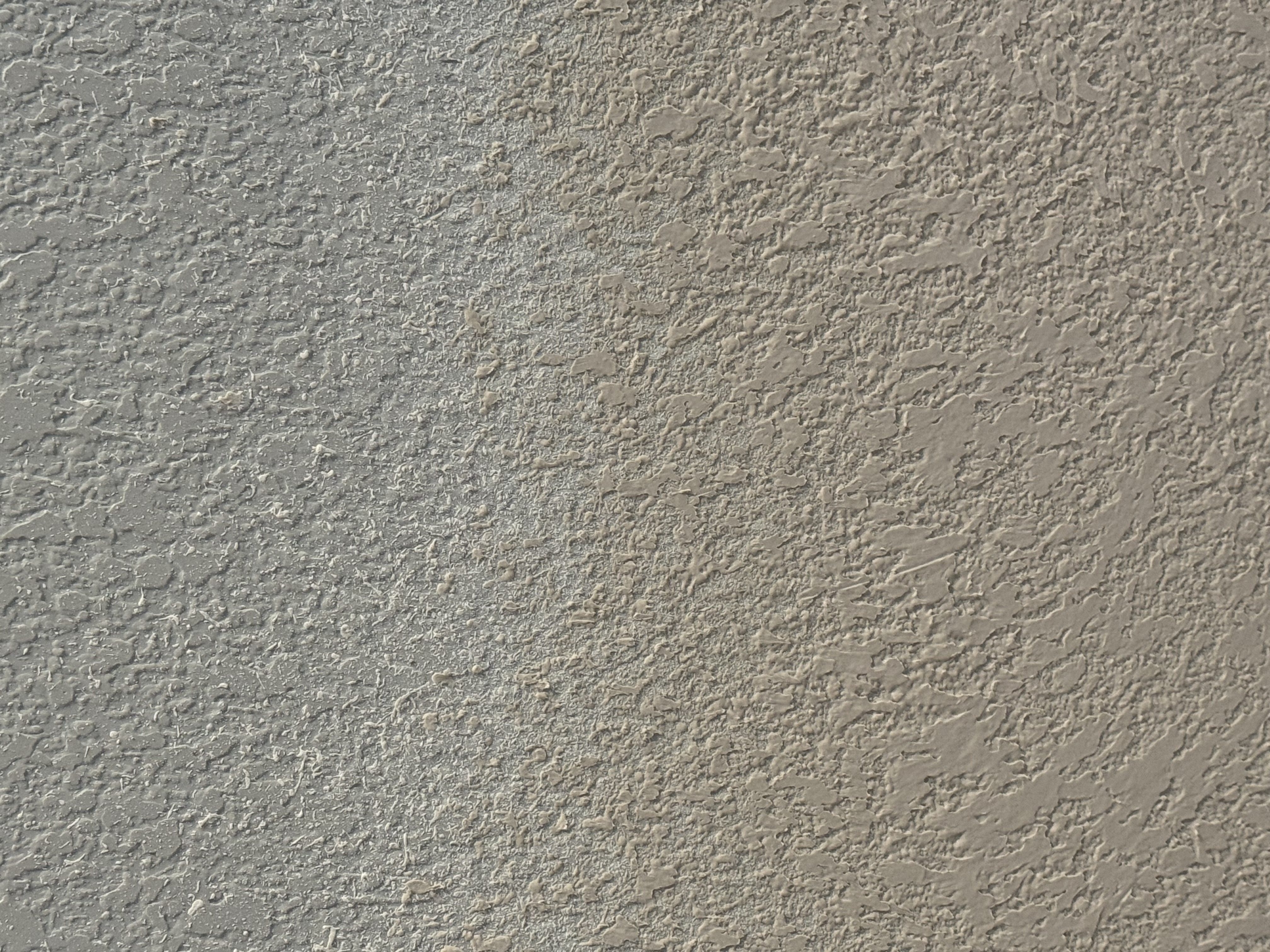
Drywall Texture Matching & Retexturing
Need new drywall to match an existing texture? Patch Pros specializes in professional texture matching and retexturing for walls and ceilings, including orange peel, splatter, stomp, knockdown, swirl, smooth finishes, and more.
/filters:strip_exif()/filters:no_upscale()/media/c158d10e-5975-4928-883e-00c9f8db7f4e.jpeg)
/filters:strip_exif()/filters:no_upscale()/media/3bdec21a-df5e-4bd7-8ed8-c885dc8eacd3.jpeg)
/filters:strip_exif()/filters:no_upscale()/media/ae6f525f-d547-4f27-b0ce-c0e2a3be9658.jpeg)
/filters:strip_exif()/filters:no_upscale()/media/0688c51e-f0a3-4f69-b9c3-c5341d9bd84c.jpeg)
/filters:strip_exif()/filters:no_upscale()/media/7a99c453-e545-431f-8828-13833acc590e.jpeg)
/filters:strip_exif()/filters:no_upscale()/media/77b96084-0f9e-4fb2-9970-d0fafea9f51e.jpeg)
/filters:strip_exif()/filters:no_upscale()/media/a88539e1-93f0-4308-8905-a4654ff94c68.jpeg)
/filters:strip_exif()/filters:no_upscale()/media/71b44088-6753-4470-bd39-75174e5a8ef3.jpeg)
/filters:strip_exif()/filters:no_upscale()/media/84d2ff65-792b-4ee1-b0aa-4afb7e459e67.jpeg)
/filters:strip_exif()/filters:no_upscale()/media/26219506-4460-4883-9619-fdc2668c1da9.jpeg)
A drywall patch can be perfectly flat and properly finished and still stand out if the texture doesn’t match the surrounding wall or ceiling.
Drywall texture matching is an art as much as it is a trade. Every finisher applies texture a little differently, which means matching an existing surface isn’t as simple as selecting “knockdown” or “orange peel” and spraying it on.
With more than 20 years of professional drywall finishing experience, Patch Pros specializes in matching existing wall and ceiling textures as closely as possible and retexturing larger surfaces when an individual blend isn’t the best option.
We work with a variety of drywall textures and finishes, including:
• Orange peel
• Splatter texture
• Knockdown texture
• Stomp texture
• Swirl and hand-applied textures
• Smooth finishes
• Popcorn texture
• Other custom and existing textures
Why is drywall texture difficult to match?
Think of an existing drywall texture almost like someone’s artwork. Two people can use the same materials and tools and still create slightly different patterns.
When matching an existing texture, we look at much more than the name of the finish. We evaluate the size and density of the pattern, how heavy or light the texture was applied, the consistency of the material, and the technique originally used to create it.
Knockdown is a great example. Some homes have large, heavy knockdown patterns, while others have very small patterns that resemble tiny puzzle pieces. Reproducing those finishes requires adjusting the consistency of the joint compound, spray pattern, application, and timing.
After the material is sprayed, it also needs the appropriate amount of time to set before it’s knocked down. The finishing blade is then lightly passed across the raised texture to create the characteristic flattened pattern. Small differences in material consistency, timing, pressure, or application can completely change the finished appearance.
Stomp textures require similar attention. The joint compound needs to be mixed to the appropriate consistency before it’s applied with the texture brush. Material that’s too thick or too thin can produce a pattern that looks noticeably different from the surrounding surface.
That’s why Patch Pros uses professional drywall materials and application equipment rather than relying solely on aerosol texture cans for our texture-matching work. We can mix and adjust the material ourselves and control the application to better reproduce the existing finish.
Can a drywall texture match be completely invisible?
Our goal is always to make the repaired area blend into the existing wall or ceiling as closely as humanly possible.
However, an exact texture match can never be guaranteed. We’re reproducing a finish originally created by another person, sometimes many years earlier, using different materials, equipment, techniques, and conditions.
After two decades of drywall finishing, we’ve developed the experience to get extremely close in many situations, but we’d rather be upfront about what’s realistically possible than promise that every repair will be completely invisible under every lighting condition.
Some textures are easier to match than others
In our experience, orange peel and splatter textures are generally among the easier finishes to blend successfully. Stomp texture can also often be matched very closely with the proper material consistency and technique.
Knockdown can be more challenging because the size, density, and shape of the pattern vary significantly from one finisher to another.
Swirl and other hand-applied textures can be particularly difficult because you’re essentially attempting to reproduce another person’s individual hand movements.
Smooth finishes present a different challenge. There is no texture pattern to help disguise the transition between old and new material, so achieving a smooth repair may require multiple skim coats, drying time, sanding, and careful finishing.
When should an entire wall or ceiling be retextured?
Sometimes matching an individual patch isn’t the best way to achieve the finished appearance a homeowner wants.
A few repairs around the edges of a large wall may be excellent candidates for individual texture matching. But if numerous patches are spread across the center of that same wall, creating multiple separate texture transitions can become more noticeable.
The same applies to a large repair. If approximately a 4’ × 8’ section of a textured wall or ceiling has been replaced, that’s a substantial amount of new surface to blend into an existing finish.
In those situations, we’ll discuss the options with you.
We may be able to repair the area and attempt to match the existing texture locally first. If you’re happy with the finished appearance, there’s no reason to do additional work.
If you want a more uniform appearance—or the size and placement of the repairs make local matching impractical—the better option may be to skim coat the entire wall or ceiling and apply new texture across the complete surface.
What about flashing after a drywall repair?
Sometimes a repair appears perfectly blended from one angle but becomes slightly visible when sunlight or artificial lighting hits the surface differently. This effect is commonly called flashing.
Differences in surface porosity, joint compound, existing paint, primer, texture, sheen, and lighting can all contribute to a repaired area reflecting light differently from the surrounding surface.
Proper finishing and priming are important parts of minimizing flashing. We can also explain when a broader skim coat, retexture, primer application, or repainting of the entire surface may produce a more consistent finished appearance.
Professional Drywall Texture Matching in Denver
Patch Pros provides professional drywall texture matching and retexturing throughout Denver and the surrounding metro area for walls, ceilings, patches, remodels, plumbing repairs, electrical repairs, and other drywall projects.
Whether you’re trying to match a small orange peel patch, reproduce an existing knockdown pattern, restore a stomp-textured ceiling, or retexture an entire wall or ceiling, we’ll evaluate the existing finish and recommend the approach that makes the most sense for your project.
Need a texture-matching estimate? Send us a close-up photo of the texture, a photo of the damaged area, a wider photo showing the entire wall or ceiling, and approximate measurements.
Many projects can be initially evaluated from photos, and free on-site estimates are available when we need to inspect the texture or larger project in person.
Ready to get started?
Book an appointment today.